
Coriander vs Parsley Difference: Which Herb Should Dubai Cooks Choose?
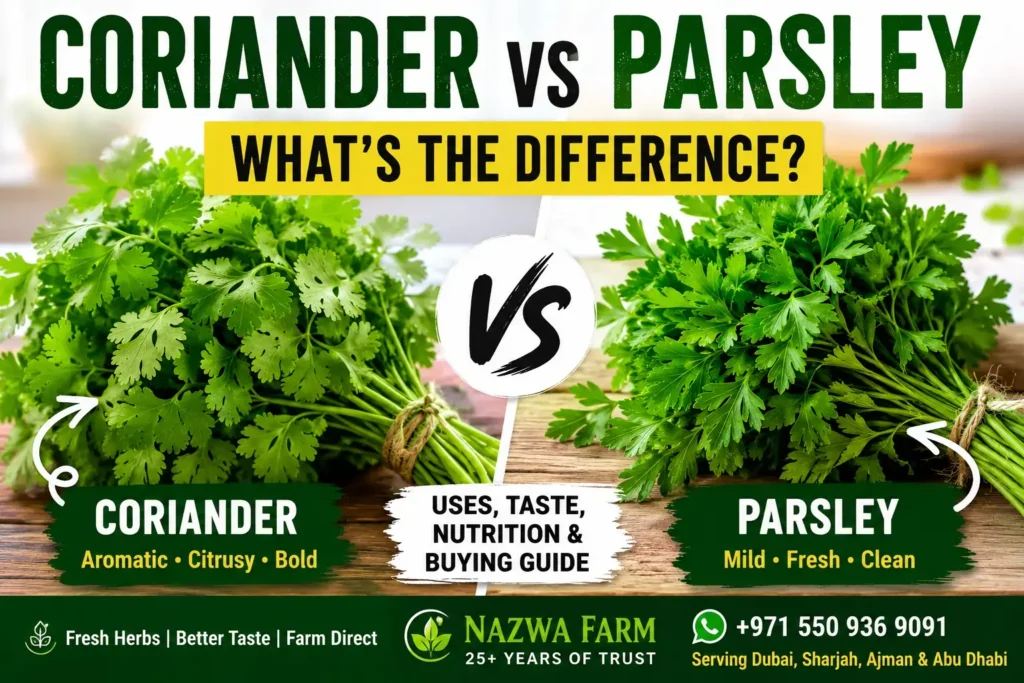
If you’ve ever looked at a bunch of fresh green herbs and wondered whether you’re holding coriander or parsley, you’re not alone. The coriander vs parsley difference comes down to appearance, aroma, flavor, culinary use, and even cultural preference. In Dubai’s multicultural kitchens—from family homes in Al Barsha to restaurants in Deira and catering companies […]
Best Time to Buy Methi Leaves in UAE: A Complete Buyer’s Guide (2026)

TL;DR The best time to buy methi leaves in the UAE is from October through April – the UAE’s cooler growing season when temperatures between 15°C and 28°C produce the most aromatic, least bitter, and most nutritionally dense fresh methi leaves. The UAE’s temperate growing season runs from October through April, during which local farms […]
How to Use Methi Leaves in Cooking: Recipes, Techniques, and a Complete Kitchen Guide (2026)
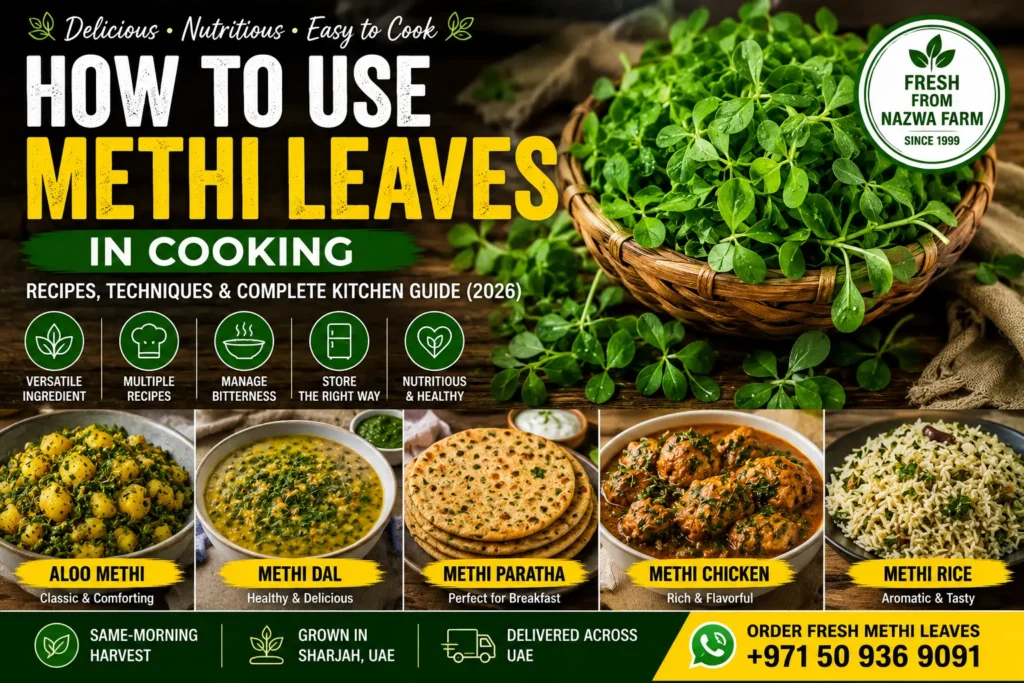
TL;DR Methi leaves (fenugreek leaves, حلبة خضراء) are one of the most versatile leafy vegetables in South Asian cooking – used in flatbreads, rice, lentil dal, vegetable stir-fries, meat curries, and as a flavoring herb. The five most common uses of fresh methi leaves are: Aloo Methi (potato stir-fry), Methi Dal (lentil curry), Methi Paratha […]
Health Benefits of Methi Leaves: What the Research Says (2026)

TL;DR Methi leaves (also called fenugreek leaves, حلبة خضراء in Arabic) are the fresh green leaves of Trigonella foenum-graecum – one of the most nutritionally dense leafy vegetables grown in the UAE. Fresh methi leaves contain 6.5mg of iron per 100g and 395mg of calcium per 100g – the calcium content rivals dairy, making methi […]
How to Use Red Chira Leaves: Cooking Methods, Recipes, and Storage Guide (2026)
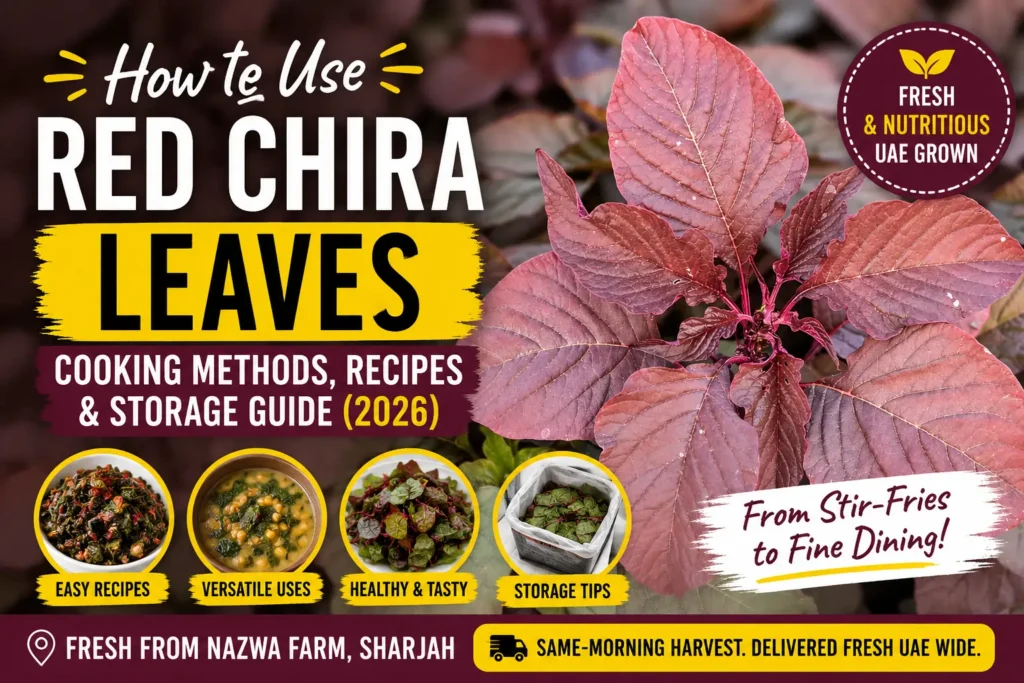
TL;DR Red Chira (also called Lal Shak, Lal Saag, red amaranth, or red palak) is a highly versatile leafy vegetable that works in stir-fries, soups, curries, salads, and fine dining plating. The most common way to cook Red Chira is the Bengali Bhaja method: stir-fried in mustard oil with garlic, dried red chili, and a […]
Red Chira Leaves for Liver Health and Detox: What the Research Says (2026)

TL;DR Red Chira (Bengali: Lal Shak) is the common name for red amaranth leaves – Amaranthus cruentus or Amaranthus tricolor – a dark-red leafy vegetable grown and eaten widely across South Asia and increasingly studied for its liver-protective properties. Multiple peer-reviewed studies show amaranth leaf extracts can reduce elevated liver enzymes (ALT, AST, ALP), […]
Red Chira for Diabetes: What the Research Says (2026)
TL;DR Red Chira is the Bengali name for red amaranth leaves (Amaranthus tricolor/cruentus), also called Lal Shak in Bengali and red palak in broader South Asian usage. Research shows red amaranth leaves contain compounds – including flavonoids, polyphenols, and dietary fiber – that can help slow glucose absorption and support blood sugar regulation. A 2020 […]
10 Proven Benefits of Red Chira Leaves (Lal Saag / Red Amaranth) in 2026
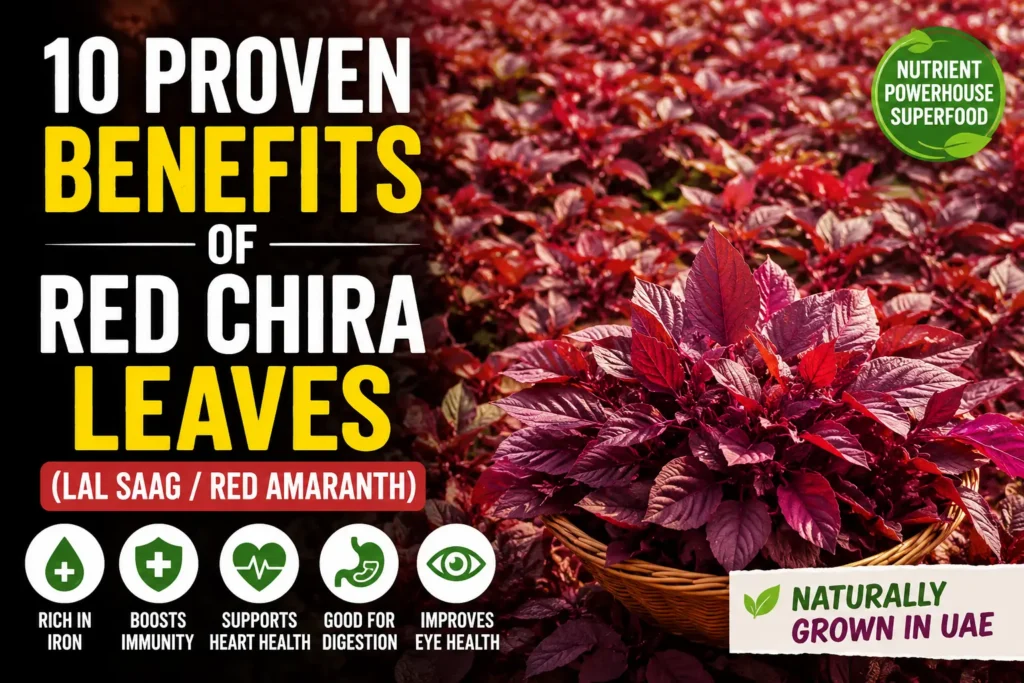
TL;DR Red chira leaves (Amaranthus tricolor) contain more iron per gram than most common leafy greens, making them one of the most practical dietary tools for preventing iron-deficiency anemia in the UAE. The deep crimson colour comes from betalains – water-soluble pigments in Amaranthus spp. with confirmed anti-inflammatory, antidiabetic, and cardiovascular-protective properties (MDPI Foods, 2024). […]
Coriander Leaves Benefits for Diabetes: What the Science Actually Says (2026)
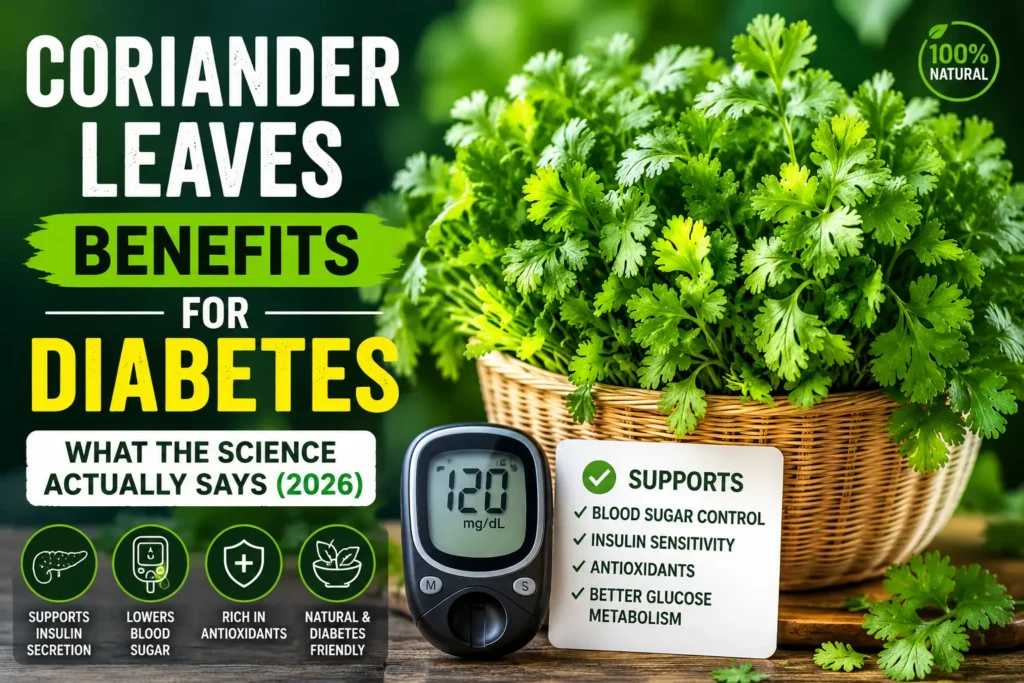
TL;DR Fresh coriander leaves stimulate insulin secretion from pancreatic beta cells and improve glucose uptake in muscle tissue, making them one of the most studied herbs for blood sugar management (British Journal of Nutrition, 2006). A clinical trial in Type 2 diabetes patients found coriander seed powder reduced fasting blood sugar by 16% – from […]
How to Use Coriander Leaves in Cooking: A Complete Guide for 2026
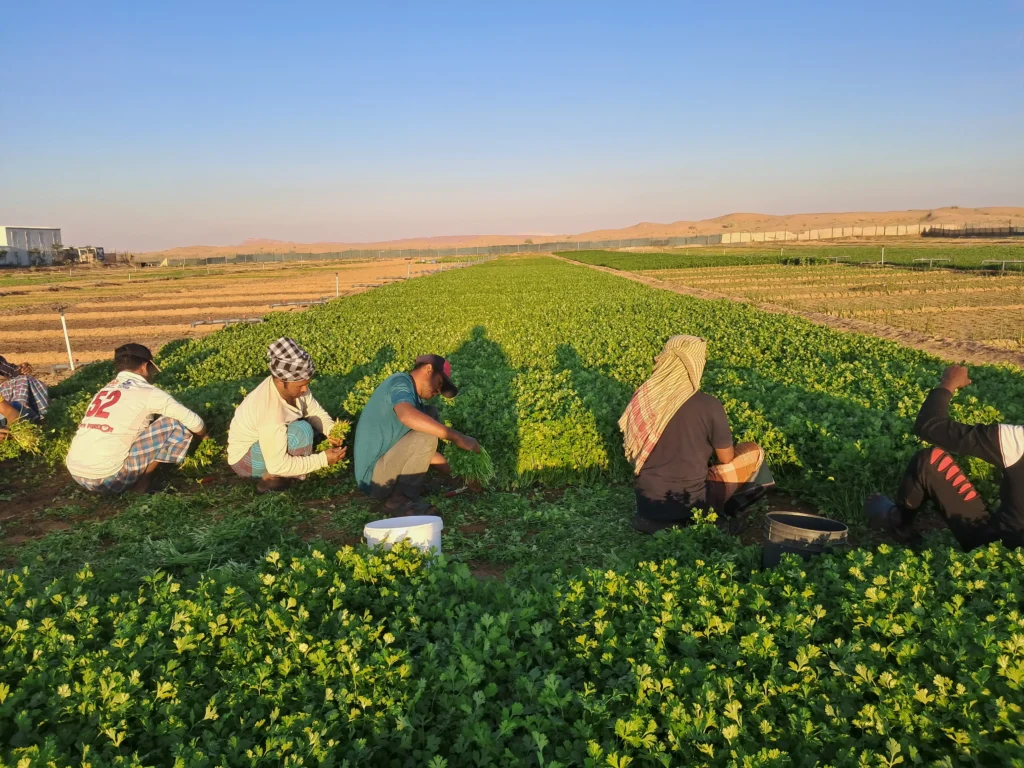
TL;DR Coriander leaves (also called kusbara or hara dhaniya) work raw as a garnish, blended into chutneys and sauces, and stirred into curries, soups, and rice dishes at the very end of cooking. Heat destroys coriander’s aroma fast – add it in the final 30 seconds of cooking or off the heat entirely for maximum […]