
Quick answer: The three Filipino vegetables UAE kitchens ask for most are pechay (a pak choy type), kangkong (water spinach) and alugbati (Malabar spinach). Each cooks differently: pechay for soups and sautés, kangkong for adobo and sinigang, alugbati for mung bean stews. Nazwa Farm grows all three in Sharjah.
Which are the main Filipino vegetables in the UAE?
Filipino cooking leans on a small set of leafy greens that appear again and again in soups, sautés and stews. For a restaurant or grocery serving Filipino customers in Dubai, three come up most: pechay, kangkong and alugbati.
All three are also used in other Asian cuisines, which is why they go by several names in UAE markets. That can cause confusion when you order, so it helps to know what each one is and what it looks like.
| Filipino name | Other names | Looks like | Classic dishes |
|---|---|---|---|
| Pechay | Pak choy, bok choy, pechai | Spoon-shaped green leaves on pale, juicy stalks | Nilaga, ginisang pechay, pancit toppings |
| Kangkong | Water spinach, con cong, rau muong | Long, arrow-shaped leaves on hollow stems | Adobong kangkong, sinigang |
| Alugbati | Malabar spinach, puisak, pui shak, basla | Thick, glossy, heart-shaped leaves on fleshy stems | Ginisang monggo, sautéed greens |
Pechay vs pak choy: are they the same?
In most UAE kitchens, yes. The pechay that Filipino cooks use for everyday dishes is a loose-headed Chinese cabbage from the same family as pak choy, with green leaves and crisp stalks. Markets here often sell it as pechai (pak choy).
Do not mix it up with pechay Baguio, which is the Filipino name for napa cabbage, the tight, pale, barrel-shaped head. If a recipe or customer says just “pechay”, they usually mean the leafy, open type.
Pechay cooks fast. Add the stalks first and the leaves at the very end, so stalks soften while leaves stay bright. It is a standard addition to nilaga and bulalo, and a quick garlic sauté makes an easy side for rice plates.
Kangkong vs spinach: what is the difference?
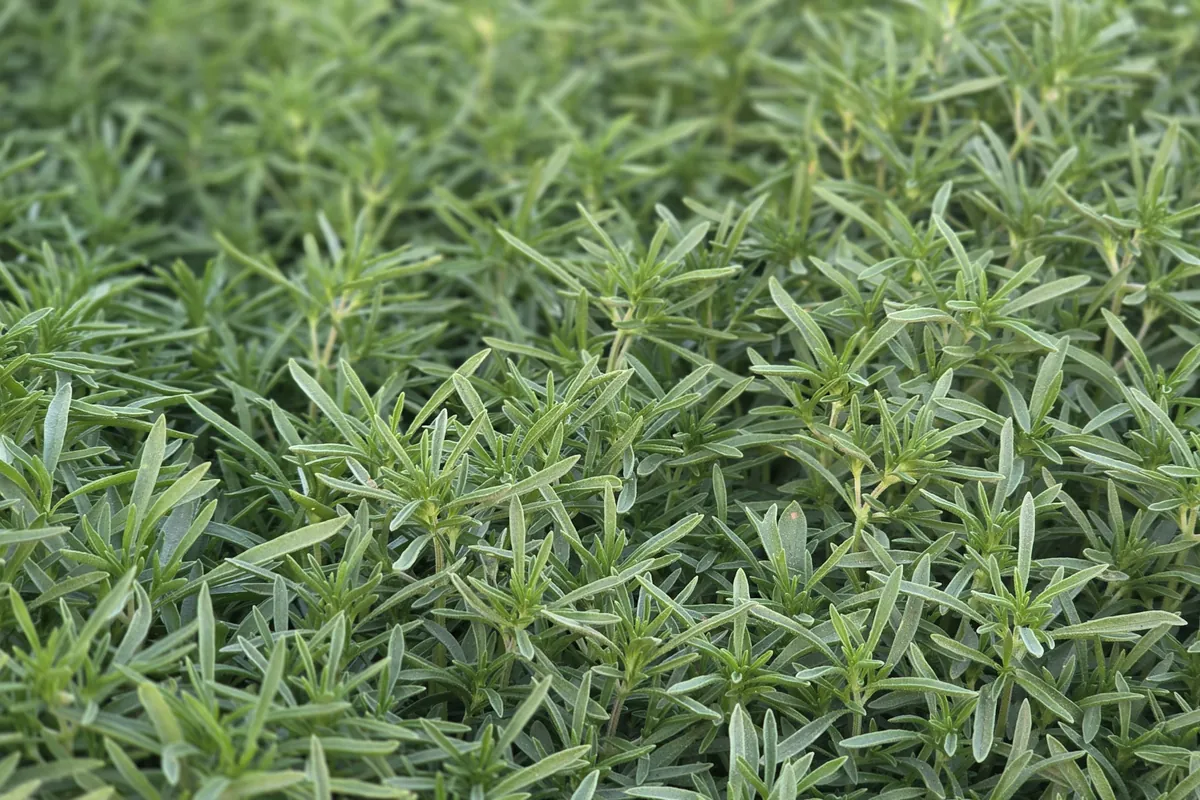
Kangkong, also sold as con cong, is water spinach, a different plant from ordinary spinach. It has hollow stems and long, narrow leaves, and it stays pleasantly crunchy after cooking rather than collapsing into a soft mass.
That crunch is the point. In adobong kangkong, the stems are stir-fried with garlic, vinegar and soy sauce, then the leaves go in at the end. In sinigang, kangkong is added in the last minutes so it keeps some bite in the sour broth.
Spinach cannot copy that texture, so substituting one for the other changes the dish. Our dedicated article on buying kangkong in Dubai covers sourcing and prep in more detail.
What is alugbati, and how is it cooked?
Alugbati is Malabar spinach, a climbing vine with thick, glossy leaves. Like kangkong, it is not a true spinach. Its leaves feel almost succulent and turn slightly silky when cooked, which naturally thickens soups and stews.
Filipino cooks add it to ginisang monggo, the mung bean stew, or sauté it with garlic, tomato and sometimes small shrimp. The same plant is well known in South Asia as puisak (Malabar spinach); Bengali kitchens cook pui shak with fish or in mixed vegetable chorchori, and Kerala cooks use it in thoran.
That overlap is useful in Bur Dubai and Karama, where Filipino, Bengali and Kerala eateries share the same streets. For more uses, see our guide to Malabar spinach in the UAE.
How should you choose and store these greens?
All three are tender, so freshness drops quickly if they sit warm. Use these checks when buying or receiving them.
- Pechay: firm, white or pale green stalks without brown spots; leaves upright, not floppy.
- Kangkong: stems that snap crisply; no yellowing leaves or slimy cut ends.
- Alugbati: glossy, thick leaves with no dark, wet patches; stems firm, not shrivelled.
Store them unwashed in the chiller, loosely wrapped so air can move. Keep kangkong and alugbati away from the coldest area near the fan, as their thin or fleshy leaves can darken. Wash just before cooking, and cook within a few days of harvest for the best texture.
Where to get Filipino vegetables in Bur Dubai and Karama
Nazwa Farm grows pechai, kangkong and puisak alongside 22+ other varieties in soil on our family farm in Nazwa, Sharjah. We have supplied traders at Al Aweer for about 25 years and sell farm-direct to restaurants, groceries and cafeterias, harvested the same morning. Read more about our Filipino and Asian greens supply in Bur Dubai and Karama.
To order, send your list, quantity and area on WhatsApp at +971 50 936 9091 or email admin@nazwafarm.com. We confirm the schedule the same day, and you can set a regular pattern for weekly stock. Farm pickup in Sharjah is also available daily.
Greens are sold in bundles, packed in boxes of about 60 bundles. For prices, message us for today’s farm-direct price.
Frequently Asked Questions
Is kangkong healthier than spinach?
Kangkong and spinach are both leafy greens that fit easily into a balanced diet, but they are different plants with different textures. Rather than ranking one above the other, choose by dish: kangkong suits adobo and sinigang because it stays crunchy, while spinach suits dishes where you want the leaves to soften completely.
Can I use bok choy instead of pechay?
In most recipes, yes. The pechay used in everyday Filipino cooking is a leafy Chinese cabbage closely related to pak choy and bok choy, and it cooks the same way. Just avoid napa cabbage, called pechay Baguio in the Philippines, unless the recipe asks for it specifically.
What is alugbati called in the UAE?
Alugbati is sold in the UAE as Malabar spinach, and South Asian traders often call it puisak, pui shak or basla. It has thick, glossy, heart-shaped leaves on fleshy stems. Filipino, Bengali and Kerala kitchens all use it, usually cooked in stews, mung bean dishes or simple sautés.
Where can restaurants buy Filipino vegetables in Dubai?
Restaurants can buy pechay, kangkong and alugbati wholesale from Nazwa Farm, which grows them in Sharjah and supplies Dubai daily. Send your list, quantity and area on WhatsApp at +971 50 936 9091, and the schedule is confirmed the same day. Farm pickup is available daily in Sharjah.
How long does kangkong stay fresh?
Kangkong is best cooked within a few days of harvest. Keep it unwashed, loosely wrapped and chilled, away from direct fan airflow. Signs that it is past its best include yellow leaves, limp stems that bend instead of snapping, and slimy cut ends. Wash it just before cooking.
Key Takeaways
- Pechay, kangkong and alugbati are the core Filipino greens in UAE kitchens.
- Pechay is a pak choy type; pechay Baguio means napa cabbage.
- Kangkong (water spinach) stays crunchy, so it cannot simply be swapped for spinach.
- Alugbati is Malabar spinach, also known as puisak in South Asian markets.
- Order all three farm-direct on WhatsApp for Bur Dubai and Karama kitchens.
Cooking Filipino dishes in Bur Dubai or Karama? Send us your greens list. Order on WhatsApp: +971 50 936 9091