
Quick answer: In the basil vs rehan question, the short answer is that rehan (ريحان) is simply the Arabic name for basil. Sweet basil and the rehan sold in UAE markets belong to the same species, but bunches can differ in leaf size and aroma, so chefs should judge by smell and leaf rather than the label.
Is rehan the same as basil?
Yes, in name. Rehan is the everyday Arabic word for basil, and most bunches sold as rehan in the UAE are Ocimum basilicum, the same species as the sweet basil used in Italian cooking. That is why we list our fresh basil (rehan) under both names.
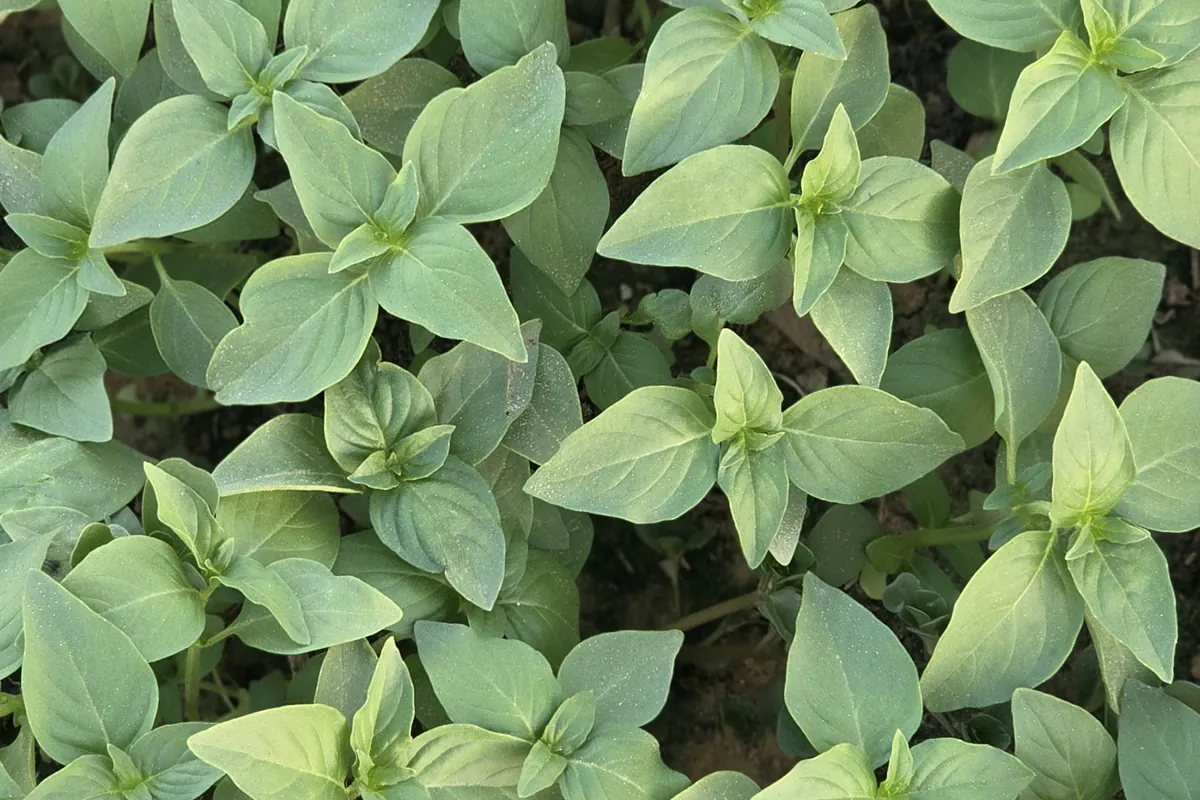
The confusion comes from what chefs expect. An Italian chef ordering “basil” pictures large, glossy Genovese-style leaves for pesto. A Gulf or Iraqi kitchen ordering “rehan” may expect a smaller-leaved, more perfumed bunch served raw beside grilled meat. Both are basil, but cultivars differ, and so does the way each kitchen uses them.
The practical rule: agree on what you need with your supplier by describing leaf size and use, not just the name.
Sweet basil vs rehan vs holy basil: how do they compare?
Several plants share the basil name. Two of them, Thai basil and holy basil, regularly get mixed up with rehan on UAE order lists. This table sets out the differences that matter in a kitchen.
| Name | Botanical name | Leaf and look | Aroma and taste | Typical uses |
|---|---|---|---|---|
| Sweet basil (Genovese type) | Ocimum basilicum | Large, soft, glossy green leaves | Sweet, clove-like, gently peppery | Pesto, caprese, pizza, tomato sauces |
| Rehan (as sold in Gulf markets) | Ocimum basilicum (varies by cultivar) | Often smaller leaves, sometimes with purple tinges on stems | Strongly perfumed, sweet | Raw herb plates with grills, garnish, salads |
| Thai basil | Ocimum basilicum var. thyrsiflora | Narrower leaves, purple stems and flowers | Anise and liquorice notes | Thai and Vietnamese curries, pho garnish |
| Holy basil (tulsi) | Ocimum tenuiflorum | Small, slightly hairy leaves, green or purple | Peppery, clove-like, sharp | Thai stir-fries such as pad kra pao; sacred plant in Hindu homes |
So the sweet basil vs holy basil question is a genuine difference of species. Sweet basil vs rehan is mostly a difference of name and cultivar.
How is rehan used in Arabic and Gulf cooking?
In many Gulf, Iraqi and Levantine homes, the rehan herb is eaten raw. A few sprigs sit on the table with grilled kebab, rice and bread, next to radish, spring onion and other fresh greens. Guests pick leaves and eat them with each bite.
Rehan also appears in salads and as a garnish, and its scent makes it a common sight in home gardens and markets across the region. Cooking it for long periods is less common, because heat dulls the aroma that people buy it for.
For a restaurant, that means rehan for a herb platter needs to look perfect: whole sprigs, no black spots, no limp tips. Basil for pesto or a sauce can tolerate a few smaller leaves because it will be blended or torn.
Which basil should a JLT restaurant or café order?
Kitchens in Jumeirah Lake Towers run very different menus within a few clusters of towers: Italian trattorias, Lebanese grills, brunch cafés and delivery-only kitchens. Each has a slightly different basil need. Use this as a starting point.
- Italian and pizza kitchens: ask for large-leaf sweet basil. You want volume of leaf for pesto and fresh garnish on pizza after baking.
- Arabic grills and mezze: order rehan sprigs for the raw herb plate. Smaller, aromatic leaves work well here.
- Cafés and brunch spots: sweet basil for avocado toast, tomato salads and infused drinks. Smaller leaves make tidy garnishes.
- Thai and pan-Asian menus: sweet basil is not a full substitute for Thai basil or holy basil. Flag this on your menu costing rather than expecting the same flavour.
If you run a small JLT kitchen, our herb supply for Jumeirah Lake Towers covers basil alongside mint, coriander and spring onion, so one order handles the daily herb list.
How do you keep basil fresh in a hot climate kitchen?
Basil is one of the most delicate herbs a kitchen buys. It reacts badly to cold as well as heat, which surprises many teams.
- Avoid the coldest part of the chiller. Basil is sensitive to chilling injury. Very cold storage turns the leaves dark and slimy. Keep it on a higher, less cold shelf, or in a covered container away from the fan.
- Treat it like cut flowers. Trim the stem ends and stand bunches in a little water, loosely covered, if you will use them within a day or two.
- Keep leaves dry. Wash just before use, then dry gently. Wet leaves in a closed box spoil fast.
- Cut with a sharp knife or tear. A blunt knife bruises the leaf and it darkens within minutes. Chiffonade just before plating.
- Add late. In hot dishes, add basil at the end of cooking so the aroma survives.
UAE summers put extra stress on soft herbs between farm and kitchen. Our guide to handling leafy vegetables through the UAE summer covers this in more detail.
Common basil mistakes
- Storing basil in the same cold drawer as lettuce and spinach.
- Washing whole boxes on delivery and storing them wet.
- Prepping pesto garnish hours before service.
- Ordering a week of basil at once instead of smaller, frequent orders.
Where to get fresh basil and rehan in JLT and Dubai
Nazwa Farm grows basil in soil on our family farm in Nazwa, Sharjah, where we have farmed since 1999. Bunches are harvested the same morning they go out, and we supply restaurants, cafés, hotels and caterers across Dubai, Sharjah and Ajman directly, with no middleman markup.
Herbs are sold in bundles, packed in boxes of about 60 bundles. To order for a kitchen in JLT and the Dubai Marina side of the city, send your list, quantity and area on WhatsApp, and we confirm the schedule the same day. For prices, message us for today’s farm-direct price.
If you are comparing suppliers, our article on choosing a herb supplier for a Dubai restaurant sets out the questions worth asking first.
Frequently Asked Questions
What is rehan in English?
Rehan is the Arabic word for basil. In English it is usually translated simply as basil or sweet basil. The bunches sold as rehan in UAE markets are generally the same species as sweet basil, though the cultivar can differ, so leaf size and scent may not match Italian Genovese basil exactly.
Is Arabic basil the same as holy basil?
No. Arabic basil or rehan is normally Ocimum basilicum, the same species as sweet basil. Holy basil, also called tulsi, is a separate species, Ocimum tenuiflorum. It has a sharper, more peppery and clove-like taste and is used in Thai dishes such as pad kra pao, as well as being a sacred plant in Hindu homes.
Can I use rehan instead of sweet basil in pesto?
Yes, because both are basil, but expect some difference. Rehan bunches often have smaller leaves and a stronger perfume, so a pesto may taste more intense and you may need more sprigs to get the same leaf weight. Taste a small test batch before switching a menu item over.
Why does basil turn black in the fridge?
Basil is sensitive to cold. When it is kept in the coldest part of a chiller, the leaf cells get damaged and turn dark and soft. Store basil on a warmer shelf, keep it dry and loosely covered, or stand the stems in a little water if you will use it within a day or two.
Key Takeaways
- Rehan is the Arabic name for basil; most rehan sold in the UAE is the same species as sweet basil.
- Thai basil and holy basil taste noticeably different and are not direct swaps for sweet basil.
- Order by describing leaf size and use, not just the name on the list.
- Keep basil away from the coldest part of the chiller, store it dry and cut it just before service.
- Smaller, frequent orders of same-morning basil reduce black leaves and waste.
Need sweet basil or rehan for your JLT or Dubai kitchen? Send us your list and quantity. Order on WhatsApp: +971 50 936 9091