
Quick answer: A leafy greens receiving checklist helps your team accept only fresh stock: check the delivery conditions, open sample bundles, inspect colour, firmness, smell and moisture, count against the order, then chill immediately. Log any problem with a photo and tell the supplier the same day, so the next delivery is corrected.
Why does a leafy greens receiving checklist matter?
Herbs and leafy greens are among the most perishable items a kitchen buys. A box that looks fine on top can hide crushed, wet or yellowing bundles underneath, and once it is in the chiller, the problem becomes yours.
In busy Deira kitchens, deliveries often arrive in the middle of prep, and whoever is nearest signs the note. A short, consistent check takes a few minutes and protects both food quality and your margins.
It also gives you a fair basis for talking to suppliers. Clear notes and photos are far more useful than a vague complaint a week later.
What should you check before opening the box?
Start with the delivery itself. These first checks tell you how the greens were handled on the way to you.
- Vehicle and box condition: boxes should be clean, intact and not crushed or soaked.
- Stacking: heavy produce should not have been loaded on top of herb boxes.
- Warmth: if your food safety plan sets a receiving temperature for chilled produce, check it with a clean probe or infrared thermometer.
- Paperwork: the delivery note should match your order list for items and quantities.
If the boxes have obviously sat in the heat, note it before you sign. In UAE summers, transport conditions affect leafy greens more than almost anything else.
How do you check herb freshness bundle by bundle?
Open at least two or three bundles from different parts of each box, including the bottom layer. Then use this checklist for the most common items.
| Item | Accept | Reject or flag |
|---|---|---|
| Coriander | Bright green, perky leaves; fresh, sharp smell; roots or stems clean-cut | Yellow leaves, slimy stems, musty smell, wilted centres |
| Mint | Firm, aromatic leaves; stems snap | Black or dark patches, wet slimy leaves, weak aroma |
| Spinach | Deep green, crisp leaves; stems firm | Yellowing, torn or mushy leaves, heavy mud, wet pools |
| All greens | Even bundle size, little trimming waste | Weeds, foreign matter, insects, crushed bundles |
Fresh coriander is the herb most kitchens use daily, so it deserves the closest look. Pull a few stems from the middle of a bundle; the inside wilts first.
Mint leaves show damage as dark patches, usually from bruising or moisture. Cafés that rely on mint for drinks should be strict here, as we explain in our guide for any fresh mint supplier serving cafés.
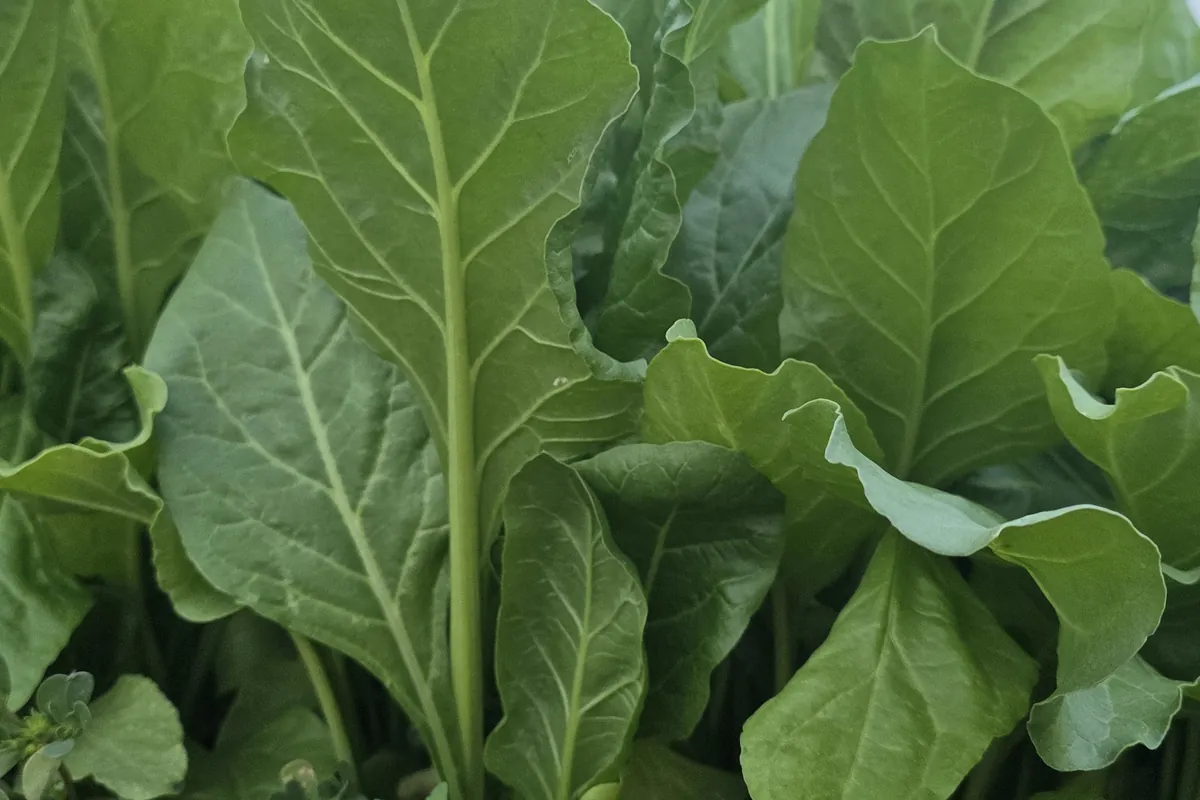
For spinach, soil-grown leaves naturally carry some soil, which washes off. Excess mud, slimy leaves or a sour smell are different matters and should be flagged.
What should you do when greens fail the check?
Have a simple, agreed process so staff know what to do without waiting for a manager.
- Set the affected box aside, away from accepted stock.
- Take clear photos of the problem, including the box label or delivery note.
- Note the item, quantity affected and the issue on the delivery note before signing.
- Message the supplier the same day with the photos.
- Record the outcome in your receiving log so patterns are easy to spot.
Patterns matter more than single incidents. If coriander keeps arriving wilted on the same day of the week, the cause may be timing or transport, which a good supplier will want to fix.
How should greens be stored right after receiving?
Speed is the main rule. Once a box passes the check, move it straight into the chiller. Leaving greens in a warm corridor for an hour can undo the benefit of a same-morning harvest.
Keep herb boxes off the floor, away from the evaporator fan and with space around them for air. Do not wash on arrival; store bundles dry and wash only what each shift needs.
Label boxes with the delivery date and use older stock first. This first-in, first-out habit is especially important for large kitchens; our article on choosing a staff catering vegetable supplier in Dubai covers how high-volume canteens plan stock rotation.
Where to get fresh coriander and greens in Deira
Nazwa Farm grows herbs and leafy vegetables in soil on our family farm in Nazwa, Sharjah, and has supplied traders at Al Aweer for about 25 years. We harvest the same morning and supply restaurants, cafeterias and groceries directly, with no middleman markup. See our fresh herb and vegetable supply in Deira for local details.
To order, send your list, quantity and area on WhatsApp at +971 50 936 9091 or email admin@nazwafarm.com. We confirm the schedule the same day. If any item does not meet your receiving check, message us with photos so we can look into it.
Herbs are sold in bundles, packed in boxes of about 60 bundles. For prices, message us for today’s farm-direct price.
Frequently Asked Questions
What should a vegetable delivery inspection include?
A good inspection covers the delivery conditions, the boxes, and the produce itself. Check that boxes are intact and not crushed, open sample bundles from top and bottom, look at colour, firmness, smell and moisture, and count quantities against your order. Note any issues with photos before signing the delivery note.
How can you tell if coriander is fresh?
Fresh coriander has bright green, upright leaves, a clean and sharp smell, and stems that feel firm rather than limp. Pull a few stems from the centre of the bundle, since wilting starts inside. Yellow leaves, slimy stems or a musty smell are signs it is past its best.
Should herbs be washed when they are delivered?
Generally no. Washing on arrival and storing herbs wet speeds up spoilage, especially for mint and coriander. Keep bundles dry in the chiller and wash only the amount each shift needs, just before use. Follow your own food safety plan for washing and sanitising procedures.
How many bundles should I check in each box?
Check at least two or three bundles from different layers of every box, including the bottom, where crushing and moisture problems usually show. For high-value or high-volume items such as coriander and mint, check more. The aim is a fair sample, not a full unpack of every bundle.
What if leafy greens arrive in poor condition?
Set the affected stock aside, take photos, note the issue on the delivery note and message the supplier the same day. Record the outcome in your receiving log. With Nazwa Farm, send the photos on WhatsApp at +971 50 936 9091 so the problem can be reviewed promptly.
Key Takeaways
- Check delivery conditions before opening boxes, especially in summer heat.
- Open bundles from every layer and judge colour, firmness, smell and moisture.
- Have a fixed process for rejected stock: separate, photograph, note and report.
- Chill accepted greens immediately and wash only what each shift needs.
- Use your receiving log to spot patterns and fix them with your supplier.
Want greens that pass your receiving check? Send us your list today. Order on WhatsApp: +971 50 936 9091